What Businesses Can Learn From Black Celebrities Targeted by Card Fraud
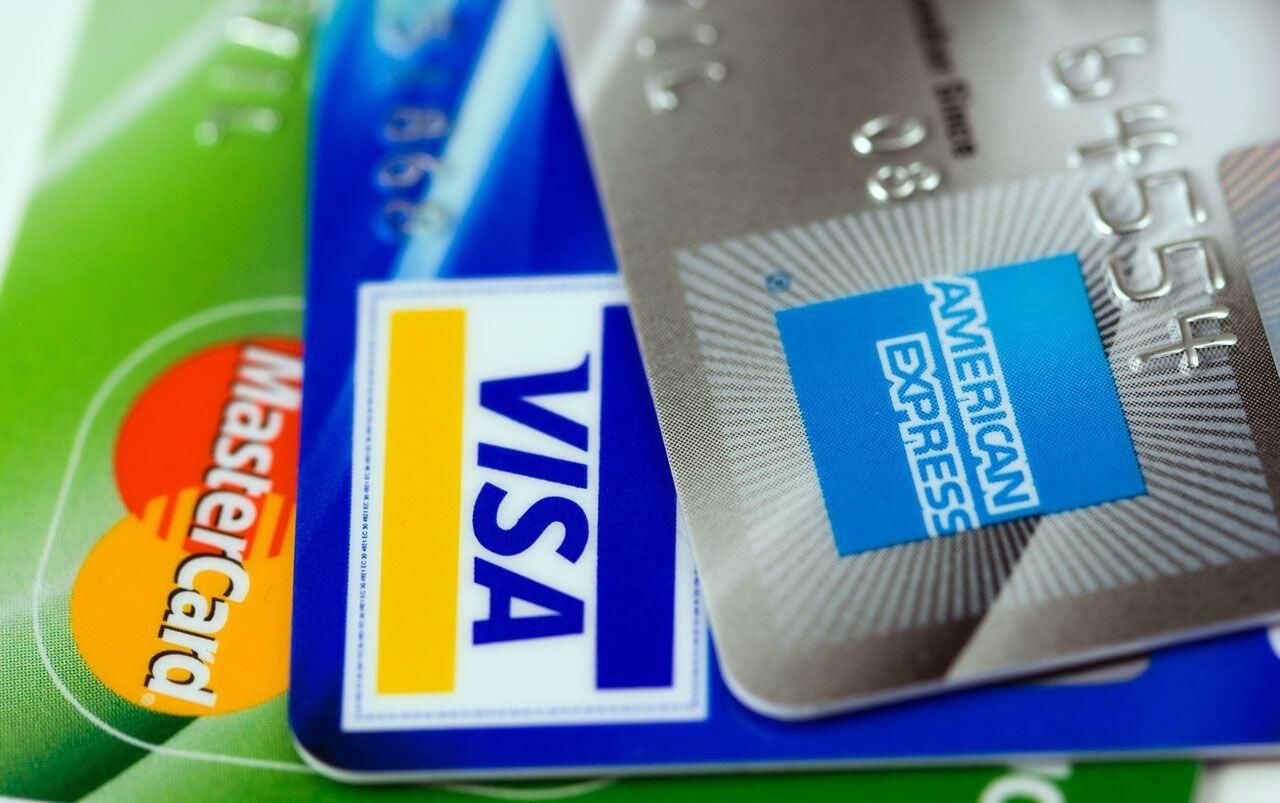
Some tips on how to reduce celebrity credit card fraud include strengthening payment security systems, monitoring transactions for unusual activity, and making reporting fraud simple. It’s also crucial to protect customer information from hackers and fraudsters.
Many black celebrities are dealing with credit card fraud regularly and are finding it extremely challenging. Recently, Rapper Cardi B said she was the victim of a credit card fraud scheme and claimed thieves spent US$60,000 on Apple products and designer merchandise on her account. That’s just one of many such incidents.
It’s important for businesses to learn from these cases of celebrity credit card fraud and put measures in place to prevent them, not only for the celebrities but for everyone else out there. This will help in preventing chargebacks, which can be a financial drain on businesses.
Why Is It Important to Realize That Fraud Can Affect Any Customer?
Businesses sometimes make assumptions about which customers are most likely to experience financial fraud. However, criminals target individuals based on opportunities to exploit:
- Personal information
- Account access
- Payment systems
High-profile individuals may face additional risks because personal details, travel schedules, and purchasing habits can become publicly accessible.
Black celebrities targeted by card fraud also demonstrate why businesses should avoid assumptions based on race, income, or perceived financial security. Fraud prevention should be applied consistently to every customer. A wealthy client may have substantial resources, but that does not make unauthorized transactions any less disruptive or stressful.
Even regular folks who travel all the time and use their credit card in random places can become vulnerable to fraud, as they don’t know what kind of measures are put in place by the businesses.
Companies should establish security procedures that protect all customers while recognizing that different individuals may face different vulnerabilities.
Strengthen Payment Security Systems
One of the most important lessons businesses can take away from card fraud incidents is the need for strong payment security. Criminals continually look for weaknesses in:
- Online checkout systems
- Payment terminals
- Account management platforms
- Stored customer information
Companies should use secure payment processors, encryption, tokenization, and multifactor authentication wherever appropriate. These technologies can reduce the exposure of sensitive financial information and make unauthorized account access more difficult.
Businesses should also keep payment software updated and regularly review their systems for vulnerabilities. Working with reputable payment providers and following applicable payment card industry security standards can help reduce risks.
Monitor Transactions for Unusual Activity
Fraudulent transactions are not always immediately obvious. Criminals may begin with small purchases to test whether a stolen card or account is active before attempting larger transactions. You might have seen these on your own credit card, where a random $1 charge shows up one day, or even $0.50 cents.
Businesses can use transaction monitoring tools to identify:
- Unusual purchasing patterns
- Repeated failed payment attempts
- Suspicious account changes
- Transactions that differ significantly from a customer’s normal activity
Automated fraud detection systems can help flag potentially unauthorized activity for further review.
However, monitoring systems should be designed carefully. Excessively aggressive fraud controls can block legitimate customers and create frustrating experiences. Companies need a balance between security and convenience, supported by regular reviews of their fraud detection processes.
You can also use BINs in payments to identify fraudulent activity so you can curb unauthorized transactions.
Make Reporting Fraud Simple
When customers discover unauthorized charges, they need clear instructions and prompt assistance. A complicated reporting process can increase frustration and damage a company’s reputation, particularly when customers already feel vulnerable.
When a customer is dealing with thousands of dollars of random charges on their credit card, they don’t want to be dealing with an AI chatbot or AI agent on the phone. Get them speaking to a human agent as soon as possible.
Businesses should provide accessible support channels, explain how suspicious transactions can be reported, and communicate what happens after a complaint is submitted. Employees should understand how to escalate potential fraud cases and protect customers while investigations are underway.
Clear communication is especially important when customers need to:
- Cancel cards
- Secure accounts
- Dispute transactions
Even when a company cannot immediately resolve an issue, timely updates can help maintain trust.
It’s also important to give them an option to report the fraud directly on the transaction in an app or the bank account, so they don’t have to call someone to get help. Not everyone has the time to call their bank when fraud happens, so other online options are crucial.
Frequently Asked Questions
Why Is It Important to Protect Customer Information?
Personal information can be just as valuable to criminals as payment card details. The following may be used to impersonate customers or gain access to financial accounts:
- Names
- Addresses
- Phone numbers
- Account credentials
- Other identifying information
Businesses should collect only the information they genuinely need, restrict employee access, and establish clear data retention policies. Staff members should receive regular training on phishing attempts, suspicious requests, password security, and responsible data handling.
Companies should also have an incident response plan, so employees understand what to do if customer information is compromised.
How Can You Build Customer Trust Through Transparency?
Financial security is an important part of the overall customer experience. People want to know that businesses take their information seriously and will respond responsibly when problems occur.
Companies can strengthen confidence by:
- Explaining their security practices
- Communicating promptly about potential incidents
- Avoiding exaggerated promises that no system can guarantee complete protection
Regular security assessments and visible improvements demonstrate a genuine commitment to customer safety. Small business fraud prevention begins with these small steps.
Card Fraud Can Be Traumatizing for Your Customer
No one wants to deal with card fraud, be it a celebrity or a regular person. No matter if it’s a few dollars or hundreds of dollars lost, each credit card fraud can be traumatizing for the customer, making them feel unsafe using their card.
It’s the business’s responsibility to put security measures in place to protect their customers.
Please check out related articles on our website for more interesting content.


